A purchasing checklist for helmets, gloves, ventilation and the manual sections to read; not an operating procedure. This guide uses exact Amazon listing records, not hands-on welding tests. Seller specifications illustrate the questions to ask; they do not establish measured weld quality, and nothing here replaces the machine manual or a licensed electrician for any supply, circuit or receptacle question.
Start with the manual, not a video
Every machine in our catalog ships with a manual that covers electrical connection, ventilation, fire prevention, eye and skin protection and thermal protection. Read those sections before the first arc, and treat them as the authority over any listing bullet or online guide, including this one. This site describes what listings state; it does not provide operating, wiring or gas-handling procedures.
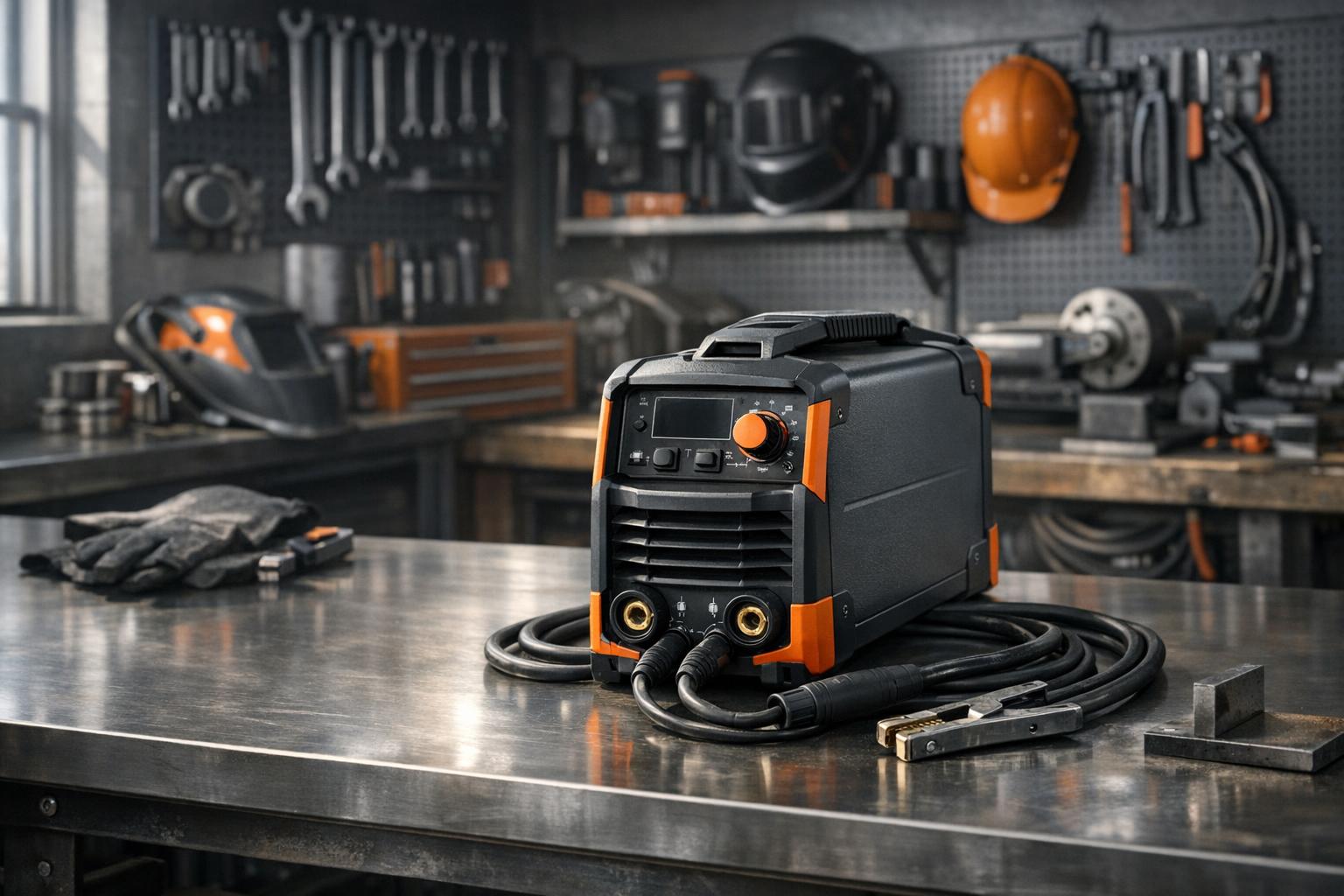
The YESWELDER 135A record advertises over-current, over-load and over-heating protection. Those are seller statements about built-in features, not permission to skip the manual's safety chapter. Electrical supply questions belong to a qualified electrician, as our input-voltage guide explains.
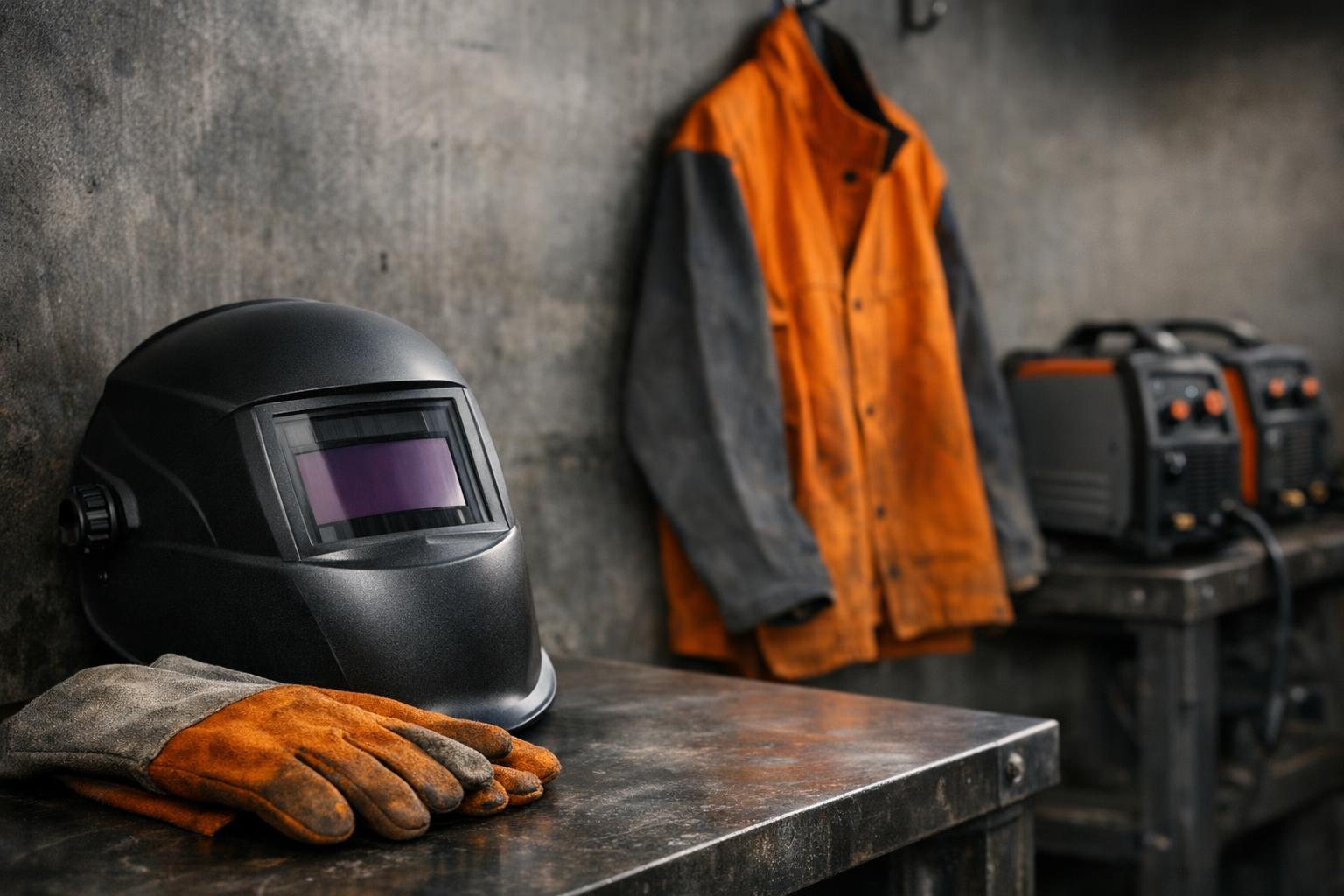
Read helmet listings for shade range and standards
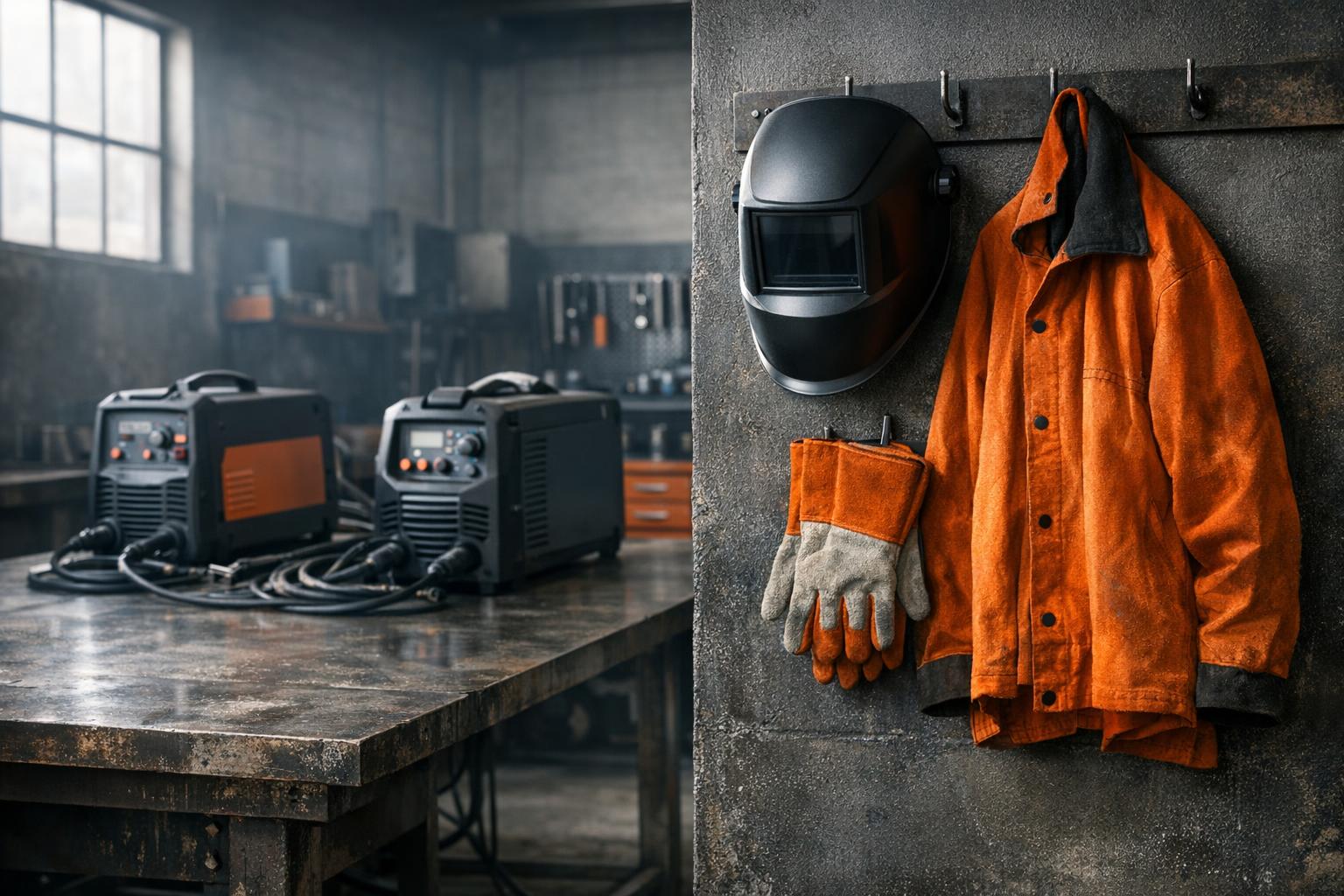
An auto-darkening helmet listing typically states viewing area, number of sensors, switching speed and shade range. The YESWELDER LYG-M800H record states a 3.93 by 3.66-inch viewing area, four arc sensors, a 1/30,000-second switching claim and DIN 3/5-9 and 9-13 shade settings. Those numbers identify the product; the applicable safety standard and its certification should be confirmed in the manufacturer documentation.
Match the shade range to the processes and amperages in the machine manual, and check battery type and replacement lens availability. We have not tested any helmet's optical performance and do not present a listing's response-time claim as a measured result.
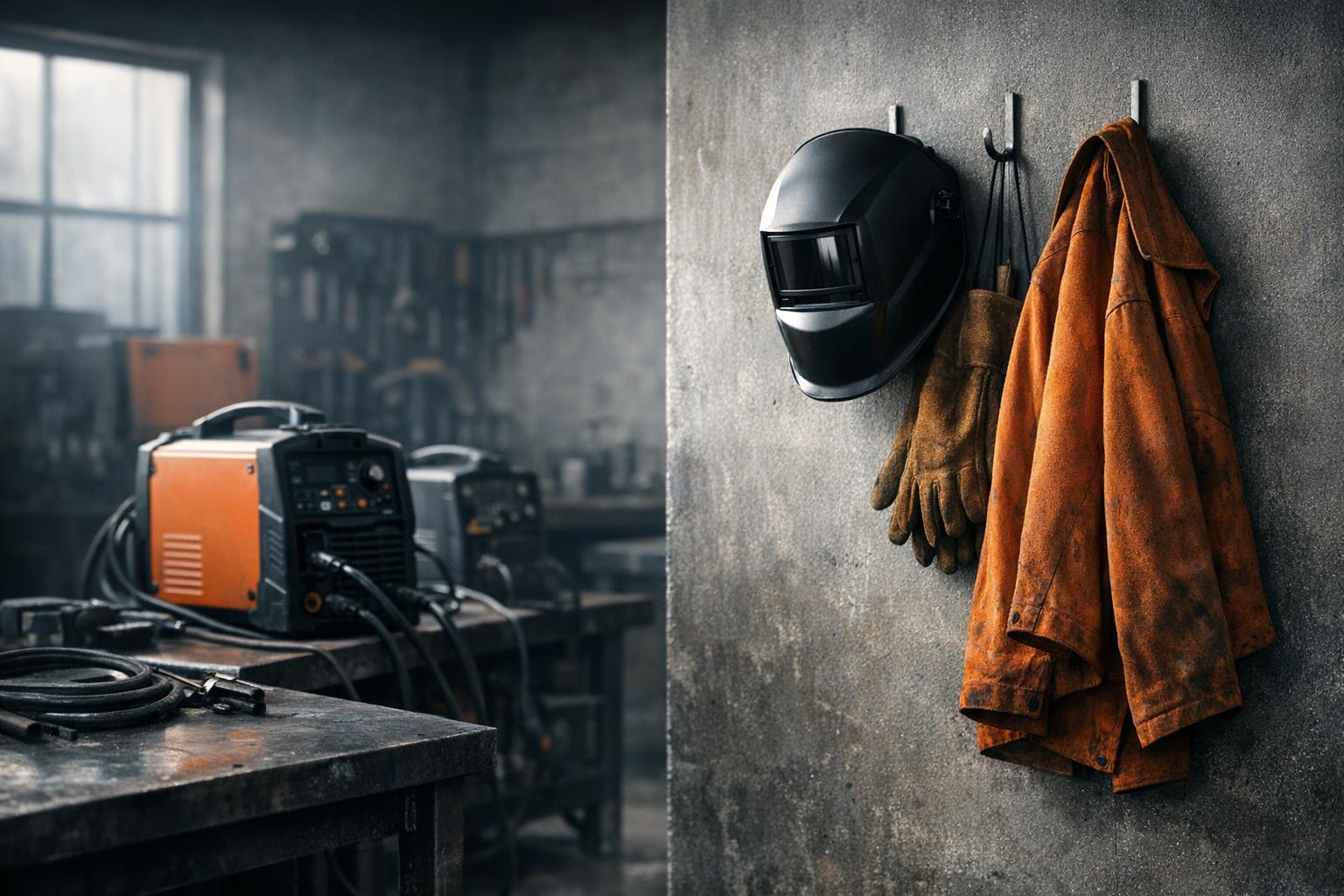
Gloves and clothing are process-specific
TIG gloves and MIG or stick gloves are different products. The Tillman 1328 record describes goatskin TIG gloves in size large with an abrasion-resistant construction. That listing tells you material, size and intended process; it does not tell you whether the glove suits heavier stick work or a different hand size. Buy for the process you will run and check the manufacturer's sizing.
Clothing, footwear and hearing protection belong on the same checklist. Consult the machine manual and the relevant occupational safety guidance for your jurisdiction; this guide lists items to research, not a complete protective-equipment specification.
Ventilation, gas and fire prevention
Shielding gas equipment such as the YESWELDER flowmeter record describes a CGA-580 inlet, a 0 to 60 CFH flow tube and several outlet fittings. Those are compatibility statements for the regulator; cylinder handling, leak checking and ventilation requirements come from the gas supplier and the machine manual. We do not provide gas connection instructions.
Fume extraction, workspace clearance and fire-watch practices are described in the manual and in safety guidance from recognised bodies. Read them before choosing a workspace, and treat any listing that calls a machine safe as a marketing statement rather than a substitute for those documents.
Make safety items part of the total purchase
List the helmet, gloves, clothing, ventilation and fire-prevention items you need for the processes you plan to run, with the manual section that justifies each. Price them alongside the machine so the comparison is honest. A lower machine price does not help if the protective equipment for its processes is missing from the budget.
Our accessories collection lists helmets, gloves and gas equipment as captured from exact listings; it does not certify any item. The methodology explains that accessories receive no editorial score. See the consumables guide for the parts that must match the exact machine.
A word on the protective claims inside machine listings. Several records advertise anti-stick, voltage-reduction devices, hot start and over-voltage protection. These are documented features of the machine's own control logic. They do not reduce the need for the protective equipment, ventilation and clearances described in the manual, and a listing that lists many of them is not a safer purchase than one that lists few. Record them as features and read the manual for what each does.
Another item that often goes missing from a first-purchase list is a suitable work surface and a way to secure the work and the ground clamp. Welding tables in our catalog are described by load capacity and folding design; those are listing statements, and the manual for the machine still governs where and how the work is connected. Read the table listing for its stated capacity and dimensions, and read the machine manual for the connection requirements.
Finally, keep the manual, the safety data for any gas and wire, and your protective-equipment records together. When a question arises during ownership, the answer should start from those documents rather than from a search result. This site can help you find and compare listings; it cannot replace the instructions that come with the equipment, and it does not attempt to. Start with the buying checklist for the machine side of the same decision.