A practical checklist for process modes, amperage, input voltage, duty cycle and included leads before you compare exact multiprocess listings. This guide uses exact Amazon listing records, not hands-on welding tests. Seller specifications illustrate the questions to ask; they do not establish measured weld quality, and nothing here replaces the machine manual or a licensed electrician for any supply, circuit or receptacle question.
Write down the metals, thicknesses and positions first
A multiprocess machine is only useful if the processes it offers match the work you plan to do. Before reading a single listing, write down the metals you expect to join, the thickness range, whether you will work outdoors where shielding gas is impractical, and whether aluminum is on the list. These are buying requirements, not a formula. They turn a vague search for a three-in-one or six-in-one machine into questions that a manual can answer precisely.
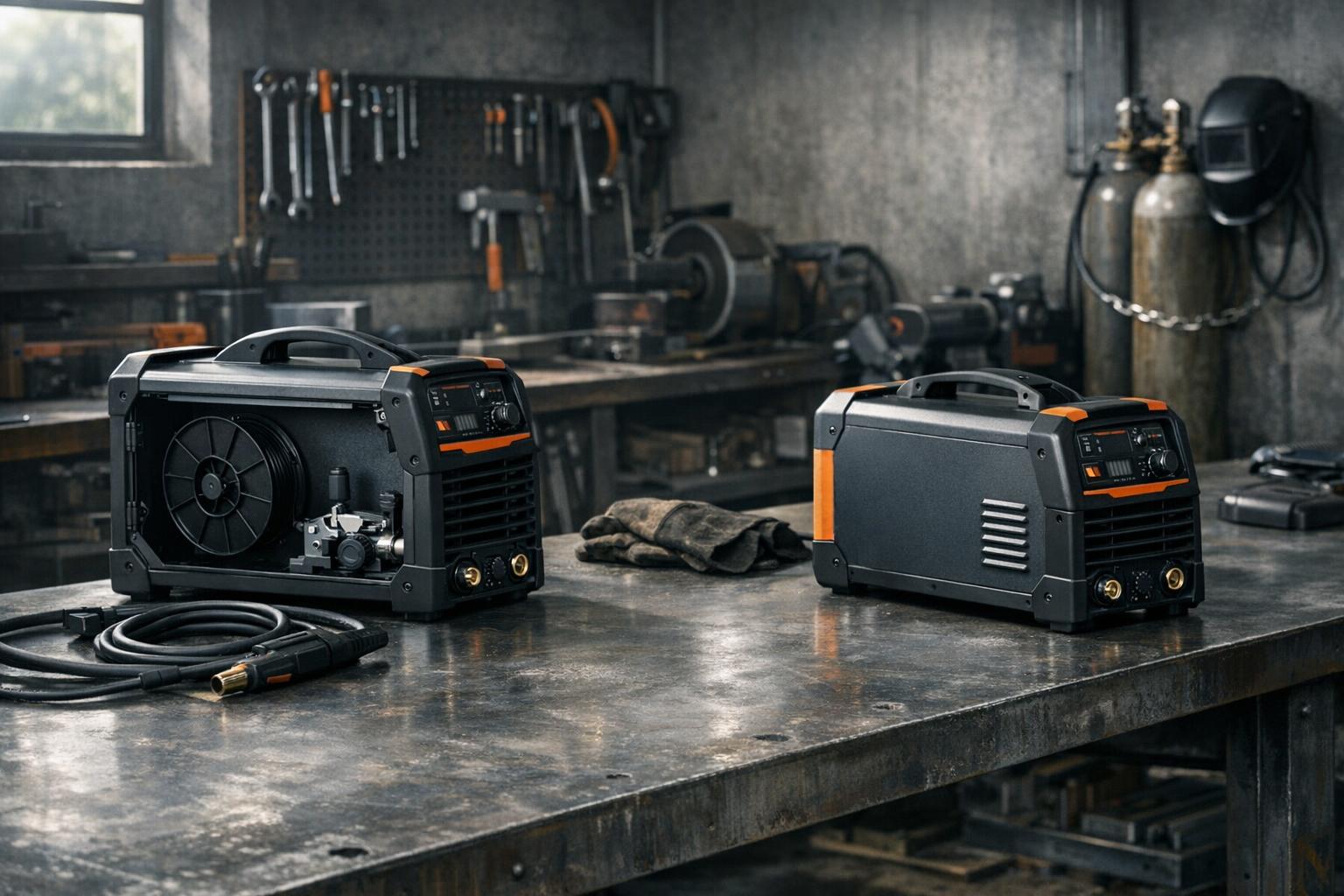
Do not let the number in a listing title decide for you. The captured YESWELDER 135A record describes gasless flux core MIG, stick and lift TIG in one 110V unit, and it explicitly notes that the lift TIG torch is sold separately. The 205A five-in-one record adds gas MIG and spool-gun MIG but also states that the spool gun and TIG torch are not included. A mode count is seller positioning; the included-items line is what arrives in the box.
Separate the process list from the included equipment
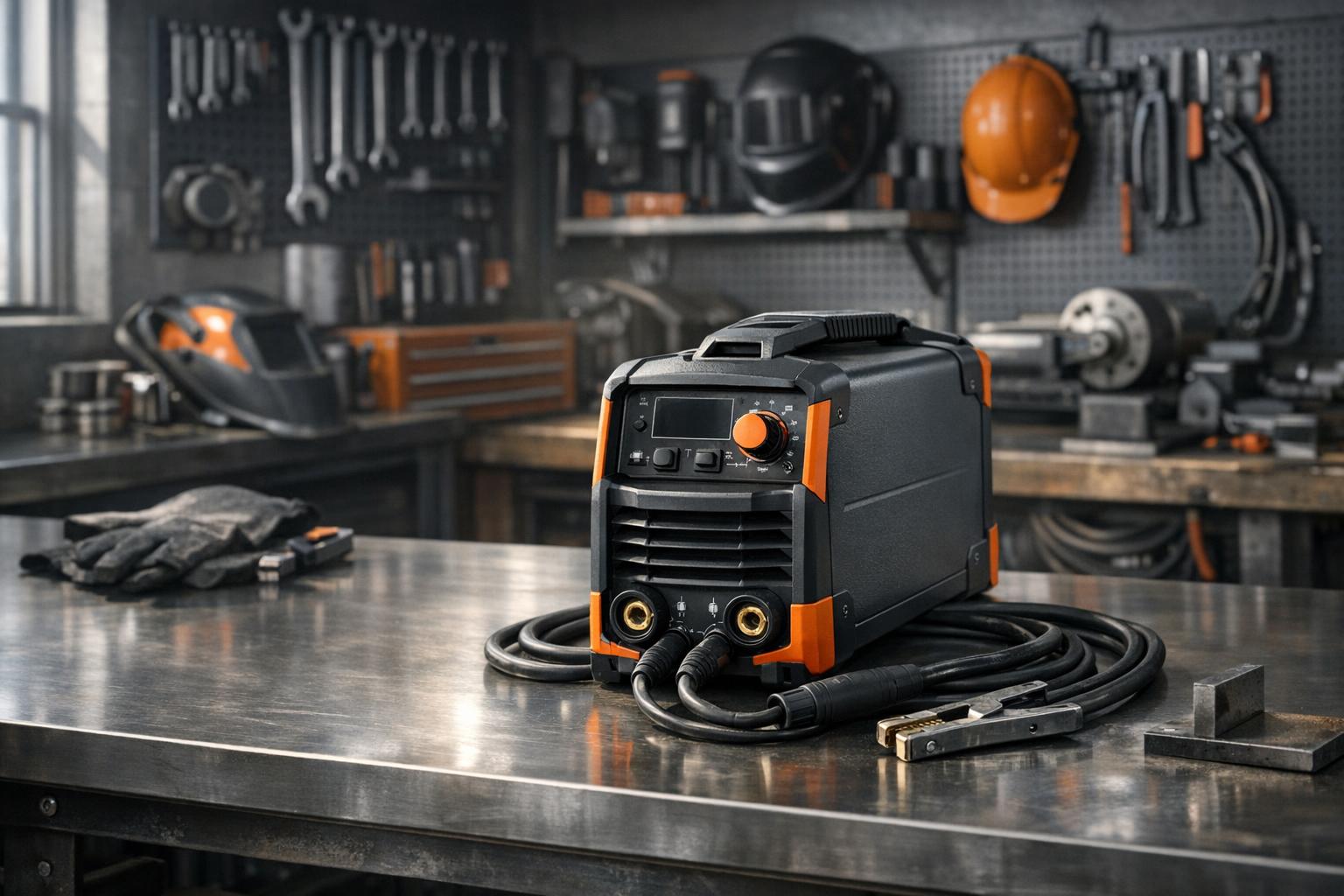
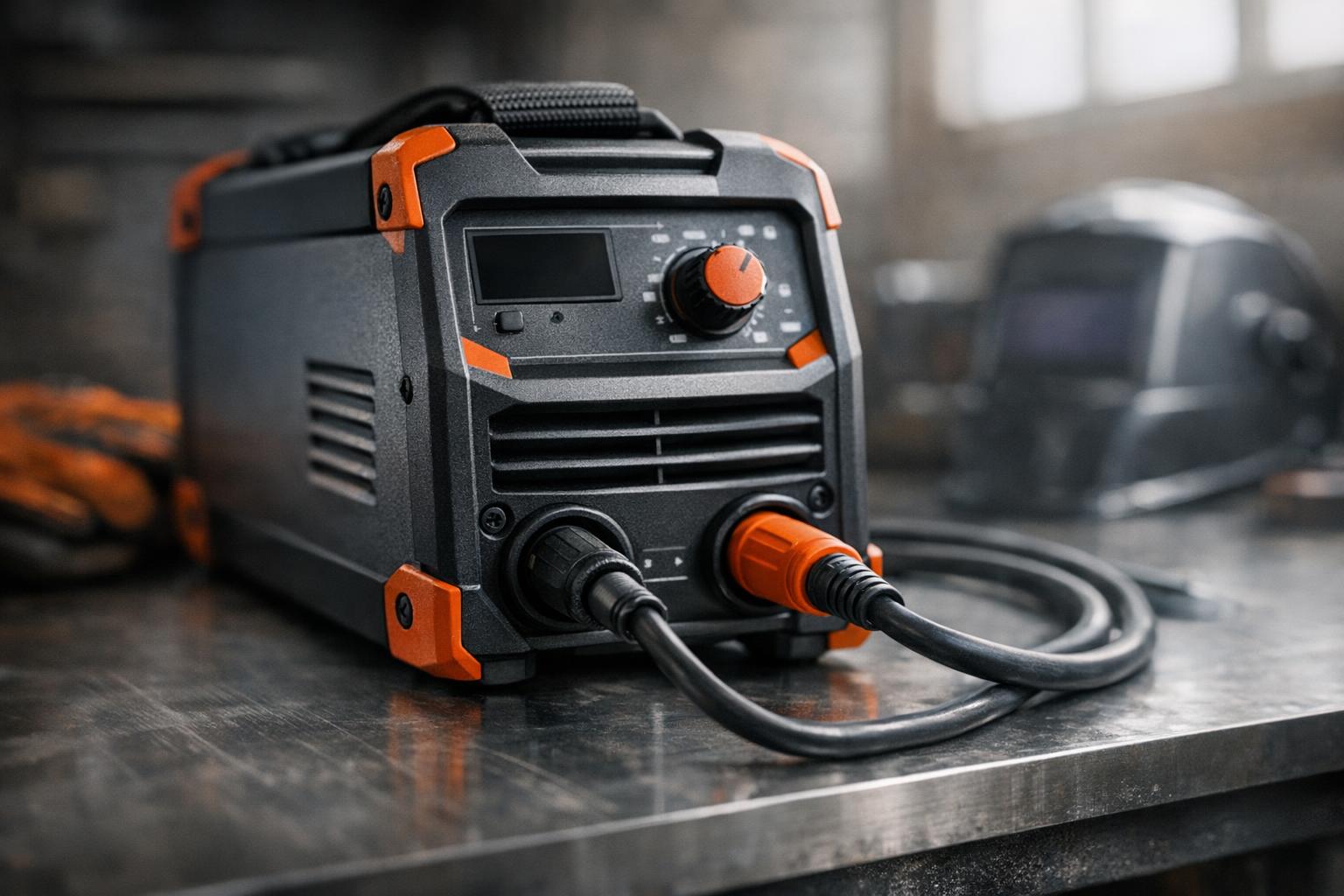
Read the parenthetical notes in each feature bullet as carefully as the headline. Several listings in our catalog advertise TIG capability while shipping without a TIG torch, a gas regulator or a foot pedal. That is not a defect, but it changes the real purchase price and the first-day setup. Keep a column for each accessory you will need for each process and mark whether the exact listing says it is included, optional or unmentioned.
The Miller Multimatic 220 AC/DC record is a useful contrast: its package line names a MIG gun, TIG torch, TIG accessory kit and a flux-cored drive roll. That statement supports a question about setup convenience, not a conclusion about weld quality. Our consumables guide explains why torch connectors, drive rolls and contact tips must be matched to the exact machine model rather than to a brand name.
Read amperage and duty cycle as paired numbers
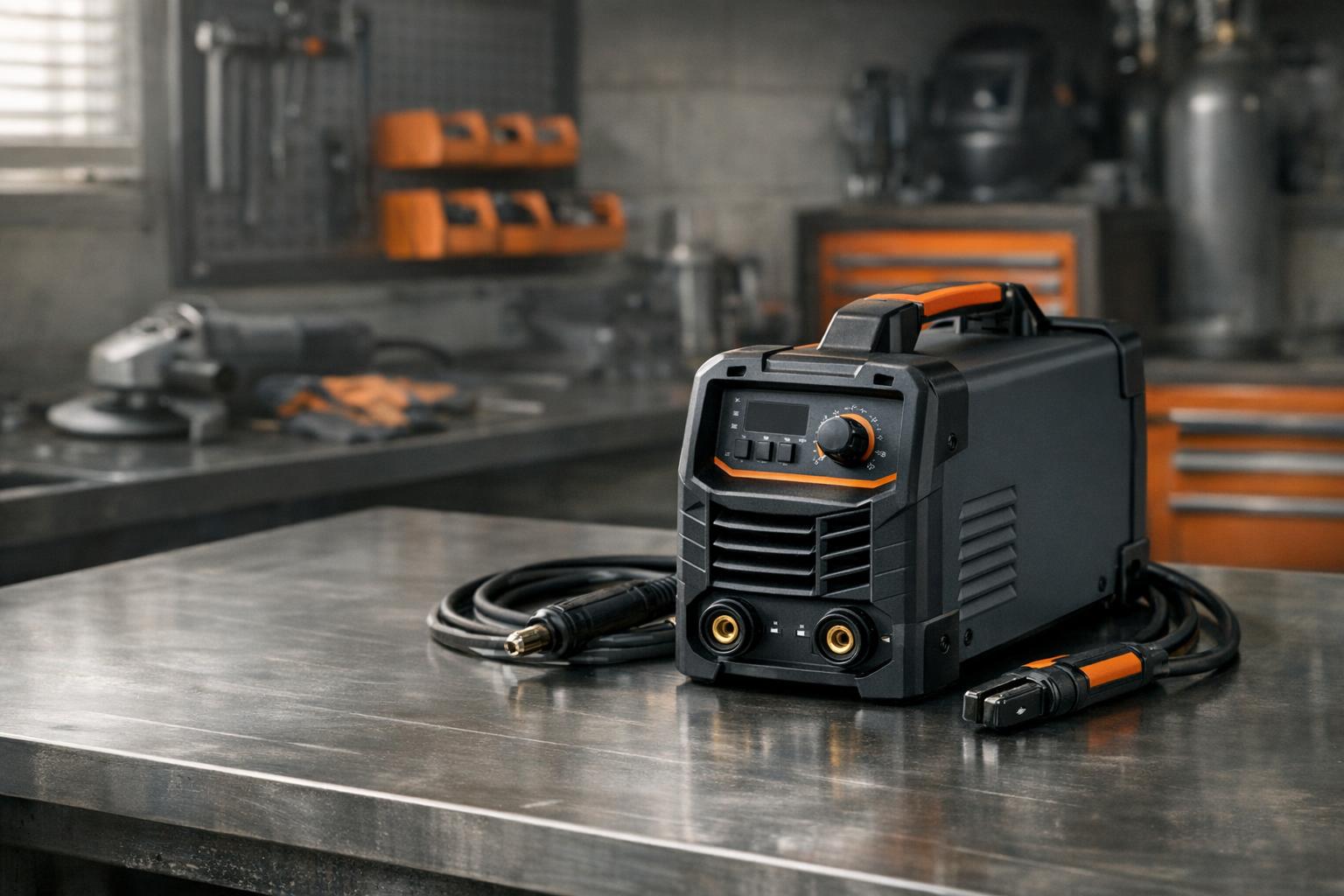
A maximum output such as 165A or 205A tells you the top of the range, not how long the machine can stay at it. The ARCCAPTAIN 165A listing states a 60% rated duty cycle; many other listings state a maximum current without saying at what amperage the duty cycle was rated. We display duty cycle only when the listing gives a percentage, and we do not infer a missing rating from a similar model.
Our duty cycle guide explains the ten-minute convention and why the amperage basis matters. The duty-cycle planner converts a stated percentage into arc-on minutes per ten-minute cycle and per hour. It is arithmetic on the seller's number; it is not a thermal guarantee, and the manual's thermal-protection instructions always take precedence over any planner output.
Confirm the electrical supply before choosing dual voltage
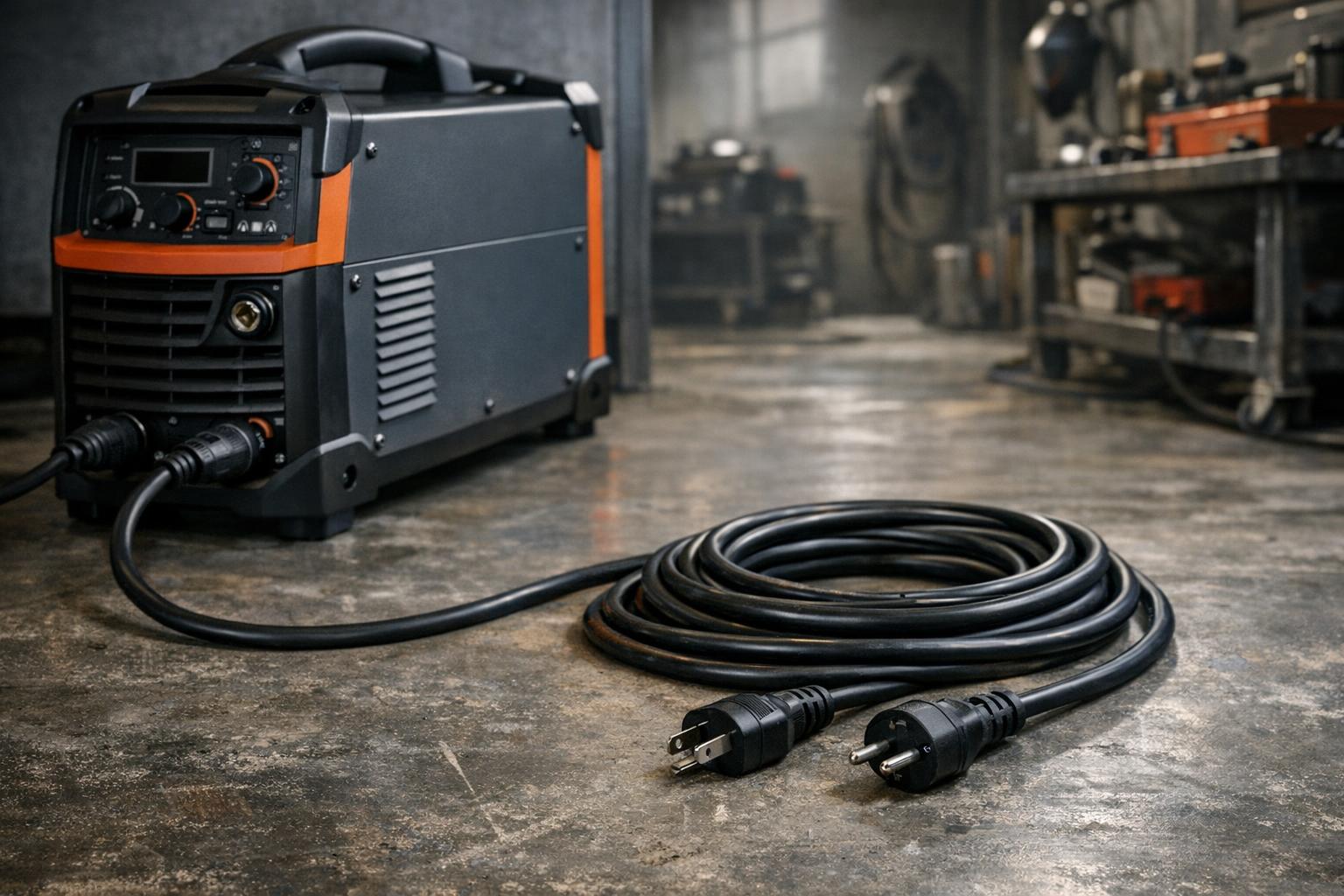
Dual-voltage wording appears on most multiprocess listings, usually as 110V/220V or 120V/240V. That phrase describes what the machine accepts, not what your garage provides. A 220V receptacle, breaker rating and cord configuration are matters for the machine manual and a qualified electrician. This site does not provide wiring, plug-adapter or extension-cord instructions, and a listing that says it works on household power is not an assessment of your circuit.
The 135A YESWELDER record describes 110V operation and a stated 3/32-inch mild-steel capacity; the 205A record advertises 220V operation for its full 200A output. Those are two different power expectations for two different jobs. Read the input-voltage guide before assuming a dual-voltage badge resolves your workshop supply.
Build a shortlist that survives the manual
Keep one row per exact model and record the source for each requirement. Leave blanks where a listing is silent instead of copying values from a sibling model or a newer edition. Separate included accessories from compatible accessories sold separately, and note whether a spool gun, TIG torch, regulator or foot pedal is needed for the process you care about most. Check the seller, warranty and selected configuration on the live listing before ordering.
Our multiprocess comparison ranks complete machines that carry captured Amazon review evidence. The score blends the public customer average, review volume and listing documentation under the published methodology; it does not measure arc stability, bead quality or durability. Use it to locate candidates, then apply your own metal list, supply constraints and the exact manual before buying.
Sources and further reading
- YESWELDER 135A MIG Welder, 110V Flux Core Gasless MIG/Lift TIG/Stick 3-in-1
- YESWELDER 205A MIG Welder, 110V/220V 5-In-1 MIG/Flux Core MIG/Spool Gun MIG/Lift TIG/Stick
- Miller 907757 Multimatic® 220 AC/DC Multiprocess Welder, 120V/240V
- ARCCAPTAIN 165A MIG Welder 110V 220V 4-in-1 Gasless Gas MIG Stick Lift TIG